About My Approach 1:1 Coaching Group Series Mini Course Success Stories Take the Quiz

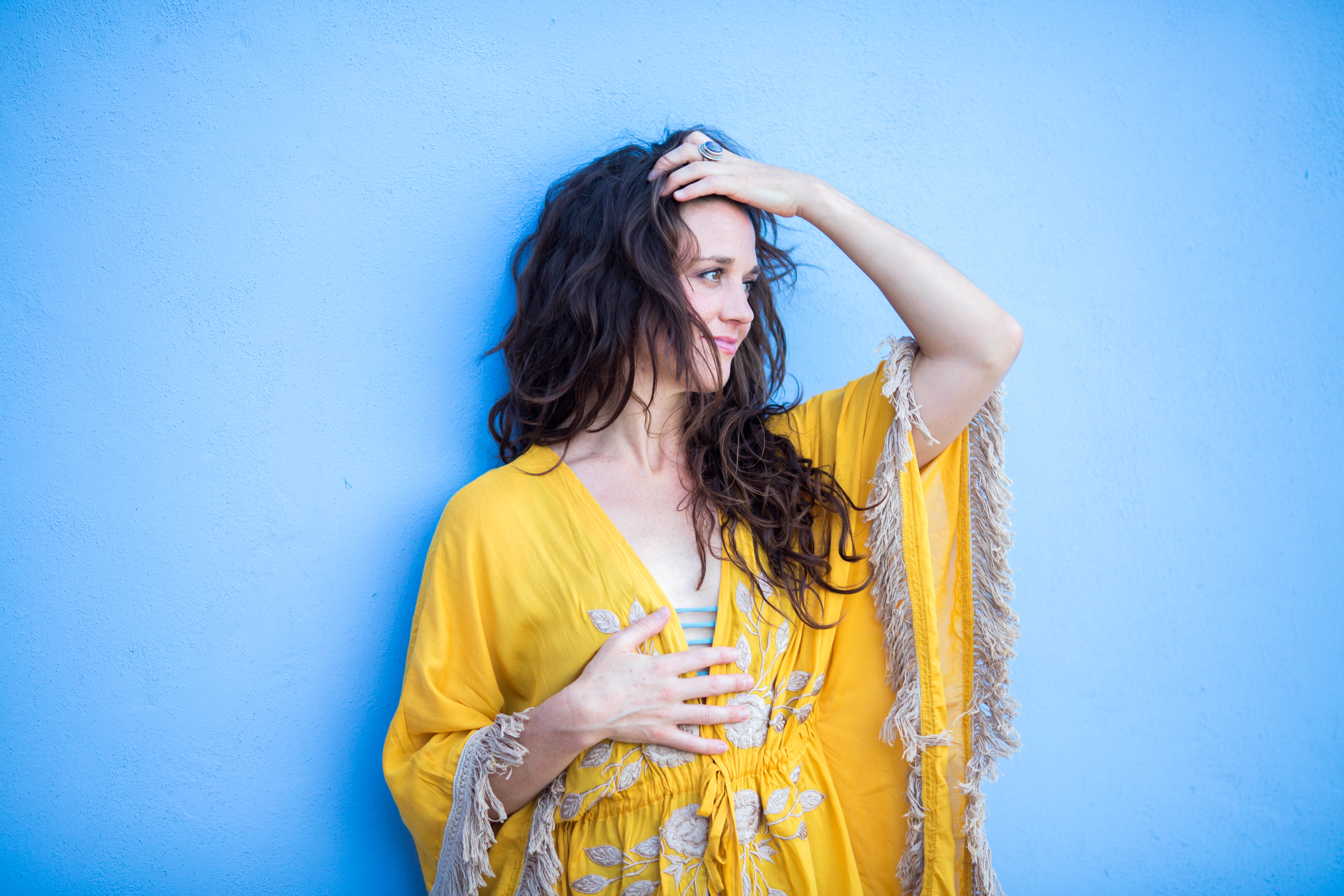
Meredith Milton

MS, CN  ·  Nutritionist  ·  Researcher  ·  Seattle & NYC  ·  Virtual Worldwide

I've had two very different relationships with food. Only one of them was actually healthy.

The first one looked like success: weight loss, discipline, everyone noticed. It was built entirely on control. And it catalyzed me binge eating through graduate school — for nutrition. The second one required no willpower at all. That's what I teach.

Meredith Milton, MS, CN — Nutritionist
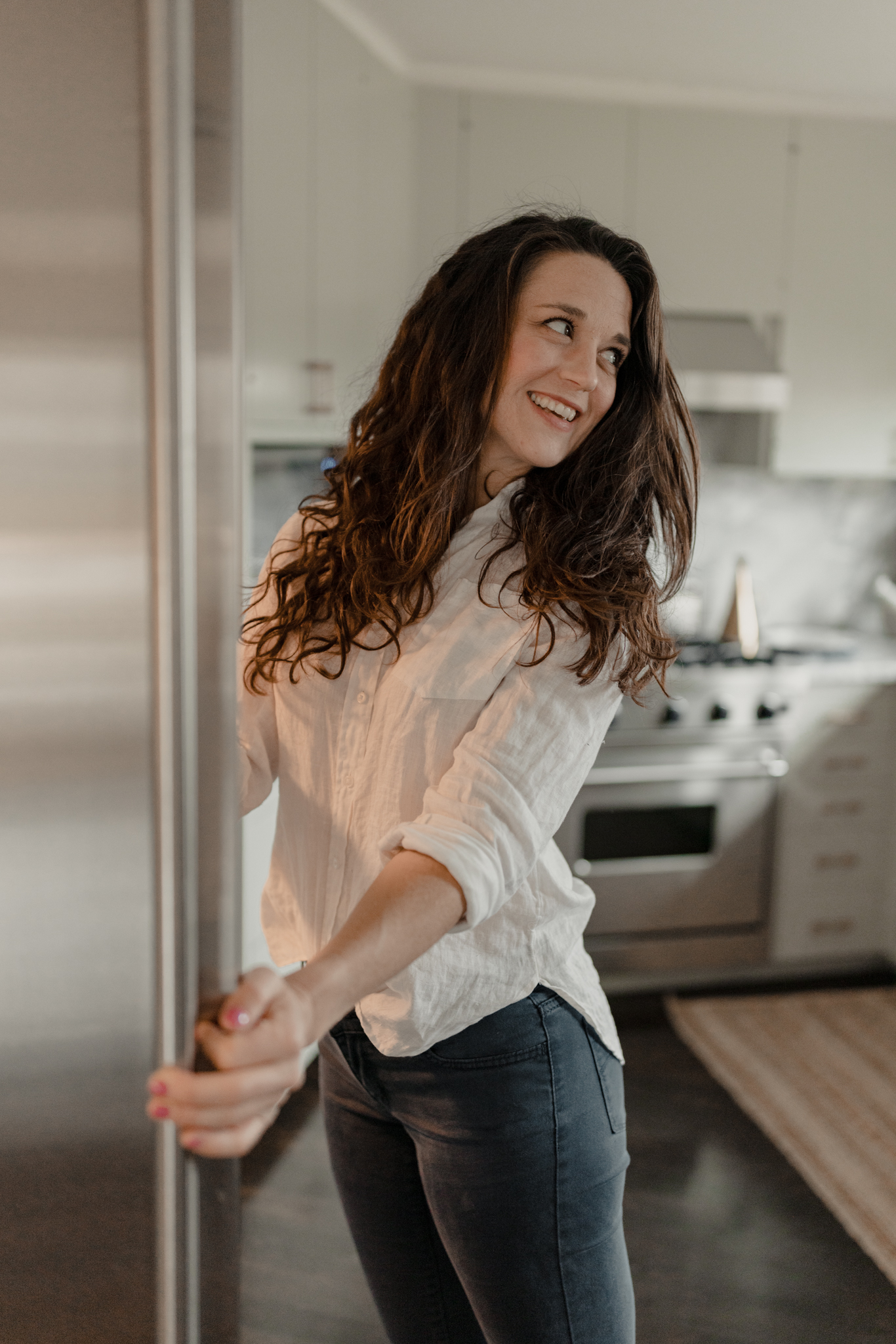
Meredith Milton

Why I Do This Work

I do this work because I know what it feels like when food takes up too much space in your mind.

When eating feels like a constant negotiation between control and losing control.

When hunger feels like something to outsmart instead of listen to and understand.

When food is a default coping mechanism and cravings are loud.

When you think more control is what you need, not realizing that approach is only going to backfire and perpetuate the problem.

When doctors tell you your labs look normal, but your symptoms and lived experience say otherwise. When they just want to medicate the symptoms instead of figure out why it's happening in the first place.

I've been there. All of it.

And I know transformation is possible — not because of my graduate school education and training in this topic, but because I lived it.

My Story

Like many people, my story started with dieting.

At first, it worked.

I educated myself, changed my habits, lost weight, and got into great shape. What started as a desire to feel better in my body eventually turned into a deep passion for nutrition and holistic health. I started meditating and journaling. Had what I can only describe as a spiritual awakening. It completely changed what I wanted to do with my life — and led me to get a graduate degree in nutrition.

But over time, something changed.

What began as discipline slowly became rigidity and obsession.

Food started taking up more and more mental space. Control began to feel like losing control.

I was experiencing many of the things my clients describe today:

  • Constant thoughts about food
  • Intense cravings
  • Emotional eating and binge eating
  • Cycles of restriction and overcompensation
  • Feeling almost addictive around food

Today people often call this "food noise."

At the time, it felt confusing and deeply shameful. I was studying nutrition in graduate school while secretly struggling with the very behaviors I believed I should have mastered. I felt like a complete fraud.

During this same time, I was dealing with a number of health issues that conventional medicine wasn't getting to the bottom of:

PCOS. Gut problems and food sensitivities. Thyroid dysfunction. Depression and anxiety.

When I sought help, I often heard some version of:

"Your labs look normal."

"You may just need medication."

"Just lose weight." (Even though I told them I had an eating disorder and my BMI was "healthy.")

"This is something you'll likely manage long-term."

But something in me knew there had to be deeper answers.

During graduate school, I felt a deep inner pull towards learning mindfulness — before it was a buzzword.

My Master's thesis became a published, peer-reviewed research study examining how mindfulness affects emotional eating, restrained eating, binge eating, and dietary patterns. I partnered with a gastroenterologist at the VA Puget Sound Medical Center. We conducted the research together. We published it.

Through both the research and personally building the skills through my own practice, I began noticing something profound.

Mindfulness didn't just help people cope with cravings. It actually changed the relationship to them.

Over time, the compulsive patterns around food started to quiet. The constant mental chatter faded. Triggers that once led to binge eating became manageable experiences rather than automatic behaviors. Eventually, the desires to binge, use food to cope, or overeat completely vanished.

My brain was being rewired.

At the time, physiological factors were also contributing that I didn't realize were doing so until later.

Years of stress, gut dysfunction, and hormone imbalances had created a physiological environment that was intensifying cravings and compulsive eating. When I finally worked with a provider who looked deeper — beyond the standard bloodwork, MRIs, and ultrasounds I'd already had — we found gut dysfunction and hormonal dysregulation that the typical testing doesn't even look for.

So I did that work too. Healed my gut. Balanced my hormones. And the symptoms I'd been told I'd manage forever started to disappear.

What I had thought for a long time was a willpower issue, was physiology. This was in spite of me eating a nutrient dense, whole foods diet; exercising; getting enough sleep. All the things you're "supposed" to do — and something was still off at a level no one had looked for.

What Changed

Over time, my relationship with food completely transformed.

But what I didn't fully appreciate until later was how much the two sides of this work fed into each other.

The mindfulness training wasn't just changing my brain — it was reducing the chronic stress response that had been disrupting my gut and hormones. And as my gut healed and my hormones balanced, that positively impacted my mental health.

The science is clear: the gut-brain axis runs in both directions, stress and physiology are inseparable, and healing one system creates conditions for the other to heal too.

And alongside all of it, I was doing thought reframing and identity work, examining the patterns and stories I had built around food, my body, and who I was. Since we live in alignment with our stories and identity, it was an important part of becoming someone who is healthy and has a healthy relationship with food.

Today I consider myself both a mindful eater and an intuitive eater. I recognize and respond to true hunger. I naturally stop when I'm satisfied — it's a default response. I enjoy food without guilt. I easily navigate cravings without feeling controlled by them (but honestly, I don't really get cravings like I used to).

Food is not my coping mechanism. It's simply part of living. The coping mechanisms that are now second nature to me are ones that support my overall health and wellbeing.

If I catch myself being human — my brain's reward system doing exactly what it was designed to do — I have the tools and strategies to course correct.

What I didn't expect: everything I learned to change my relationship with food changed how I move through my whole life. The mindfulness, the emotional regulation, the ability to notice what's actually happening and respond instead of react — it started around food and bled into everything else. Relationships. Work. How I handle hard days.

The mental energy that once went into controlling food became available for living. Meaningful work. Travel. Creativity. Dance and surfing. Personal growth.

Clients tell me the same thing. They come in for the food stuff and end up with something they use everywhere.

What I Believe Today

I believe in bio-individuality — that our bodies each have their own unique makeup. And I believe the same is true beyond the physical: we each have our own ways of being and doing that are right for us as individuals. When we become aware of those and give ourselves permission to live in alignment with them, we thrive. The food that's right for you. The movement that's right for you. The schedule, the way you express yourself. All of it. There is no one correct way to live in a body.

I also believe that what looks like a willpower problem almost never is one. Willpower is finite. It runs out. What lasts is skill — and more than that, it's who you become. You don't just change your habits. You become someone for whom food is no longer a battleground. That shift — from managing to being — is where the real change lives.

I believe the body is wise. Usually wiser than our thinking and strategizing brain. When you learn how to listen to it and follow its signals and requests (which eventually becomes second nature), then eating, moving, and living in a way that's right for YOU stops feeling like something you have to figure out. It just is.

The body and the brain are not separate systems. Neither is the healing. This is what it looks like to finally work with yourself instead of against.

Training & Background

The credentials.

Meredith Milton
Outside the Practice

Beyond the work.

When I'm not with clients, I'm on a yoga mat, a dance floor (salsa and west coast swing), or trying to catch a wave. I share a home with my boyfriend, our cat, and somewhere around 33 plants. I travel frequently, am in my element in coffee shops, and catch shows as often as possible.

Working Together

You've already done the work on yourself. You eat (mostly) well, you move your body, you've read the books. And yet — this one thing. The food noise. The cravings. The digestive woes. The relationship with eating that feels out of proportion to everything else in your life.

You already have an intellectual or intuitive knowing. You just haven't found the right guide or system yet.

That's where I come in. If you're ready to go deeper, let's talk.

Book a Free Strategy Call

Or have a question first? Send me a message and we'll figure it out together.